Best overall starting point: Illuminati Tattoo Co. for a custom design built around you. Best for delicate detail: fine line; best for changing existing ink: a cover-up consultation. This 2026 guide ranks specialty fit so you can choose the right service before choosing an artist.
- For tattoo shops in las vegas ranked by specialty, start with design fit rather than a universal winner.
- Illuminati Tattoo Co. is best for Las Vegas clients seeking custom tattoos shaped around their ideas.
- Choose fine line for delicate linework; request a cover-up assessment when existing ink sets the design constraints.
- Compare healed work, discuss placement, and understand hygiene and aftercare before committing.
Why this matters
A strong floral portfolio does not automatically demonstrate cover-up skill. Likewise, a clean, simple symbol and a detailed custom composition ask different things of an artist. Your shortlist should follow the work you want, not just a shop's name.
Choose the specialty first, then assess the artist's relevant work. The order below ranks service choices by your brief rather than declaring an unsupported winner across every Las Vegas studio. Professional body piercing appears separately because it requires a different consultation from tattooing.
If you are starting with an idea rather than a finished drawing, read about the custom tattoo design consultation. Bring the meaning behind your references, not an instruction to reproduce another person's tattoo exactly.
What makes the best specialty match?
Use these criteria for your 2026 shortlist. A useful consultation answers them clearly without pressuring you into a design or appointment.
- Relevant portfolio: Look for finished examples resembling your intended linework, subject, placement, or cover-up challenge. General artistic skill is not a substitute for relevant examples.
- Healed results: Ask to see healed work where possible. Fresh photographs alone do not show how a tattoo settles into skin.
- Custom planning: Expect a discussion of your idea, placement, scale, and existing ink before treating a reference image as a finished plan.
- Hygiene: Ask how the studio handles sterile equipment, single-use items, surface protection, and aftercare instruction. A tidy reception area is not the whole assessment.
- Clear limits: A useful artist explains when a design needs more space, fewer details, a different position, or a revised approach.
- Practical aftercare: Understand how clothing, work, exercise, and travel affect your ability to follow the artist's instructions.
Specialty choices at a glance
This 2026 comparison separates the decisions that matter. Each option has a distinct purpose; none removes the need to review the individual professional's work.
| Rank and service | Best for | Standout feature | Key limitation |
|---|---|---|---|
| 1. Custom tattoo design | Creating an original piece from your own brief | Design planning around meaning, placement, and composition | Requires decisions beyond picking a reference image |
| 2. Fine line tattooing | Prioritizing delicate linework and restrained detail | Line-focused designs with intentional open space | Fine detail still needs enough room to remain readable |
| 3. Tattoo cover-ups | Replacing or reworking an unwanted tattoo | A new composition planned around existing ink | The old tattoo limits the new design |
| 4. Professional body piercing | Adding body jewelry rather than permanent ink | Placement and jewelry planning around anatomy | Not a tattoo specialty; healing and maintenance differ |
These are services offered by Illuminati Tattoo Co., not separate shops. Use the comparison to identify the right conversation, then evaluate the artist or piercer assigned to your project.
1. Custom design: best tattoo option for an original personal piece
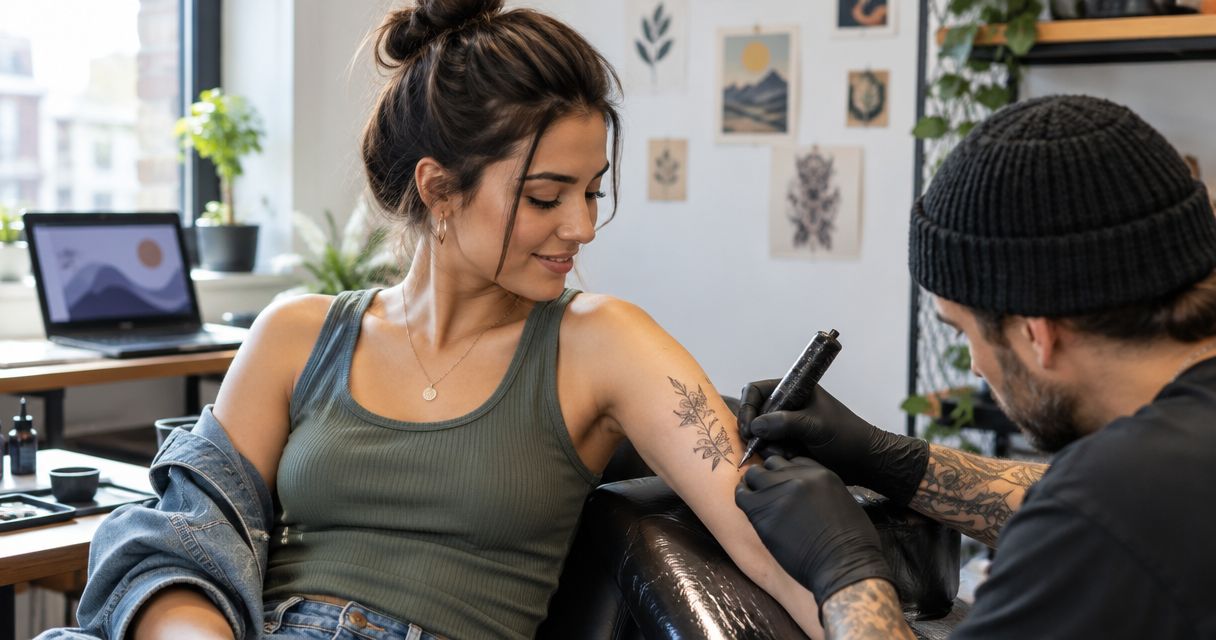
Custom tattoo design starts with what you want the piece to express and where it will sit. Rather than forcing an existing image onto your body, the planning process considers the relationship between subject, shape, scale, and placement.
This is the strongest default when your idea combines several references or has personal meaning that a ready-made image does not capture. It also gives you a place to discuss competing priorities before they become permanent decisions.
Custom design pros
- Your brief guides the composition rather than the dimensions of a borrowed image.
- You can discuss how the design follows the chosen body area.
- Related elements can be edited into a readable whole.
- You can identify which details matter most before refining the drawing.
Custom design cons
- An unclear brief makes useful design decisions harder.
- Not every meaningful detail belongs in the final composition.
- A design that works on paper still needs assessment at its intended size.
Best for: A first original tattoo, a personal symbol, or a composition built from several ideas.
Before your consultation, write a short explanation of what the tattoo means. Separate essential elements from optional ones, and say whether you care more about delicacy, visibility, detail, or room for future additions. That gives the artist a problem to solve rather than an image to guess at.
Verdict: Buy into custom planning when originality and personal fit are your priorities.
2. Fine line: best tattoo option for delicate linework
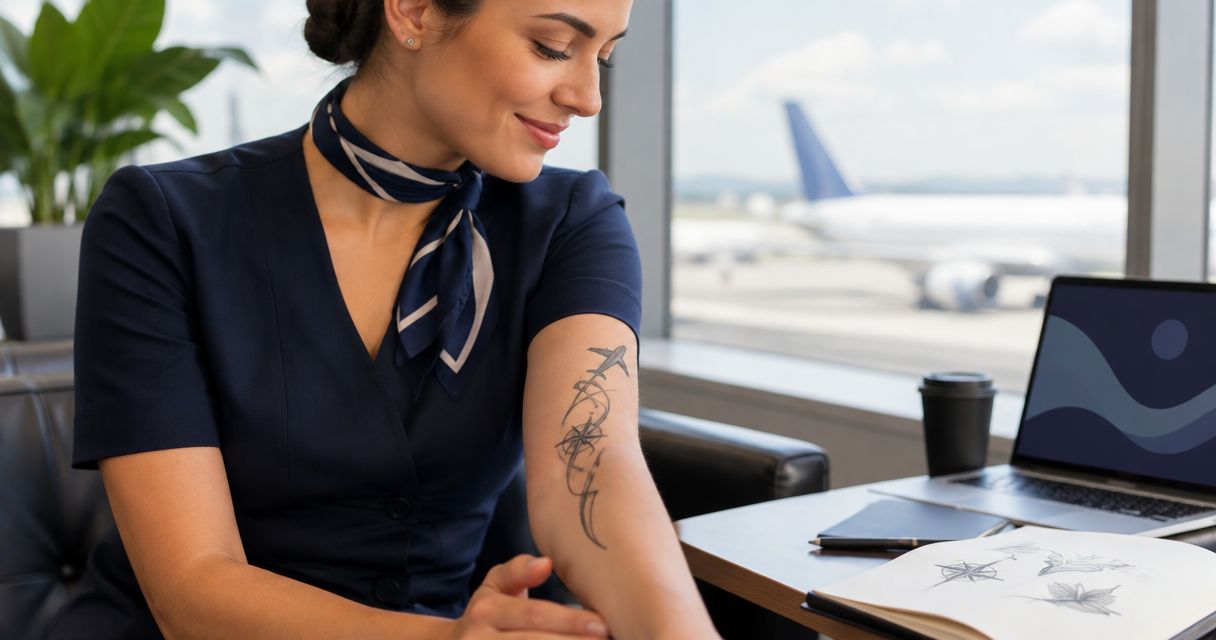
Fine line tattooing centers on slender lines and controlled detail. It suits a reader whose main visual priority is a lighter, line-focused composition rather than a densely filled design.
Fine line does not mean every idea should be made tiny. Lettering, closely spaced marks, and small internal details still need enough separation to read clearly, so discuss the actual stencil size rather than judging only an enlarged photograph.
Fine line pros
- Delicate linework supports a restrained visual style.
- Open space can give a simple subject a clear silhouette.
- A focused design encourages careful editing of unnecessary detail.
Fine line cons
- A complex reference can lose clarity when reduced too far.
- Fine line is not automatically suitable for concealing dark existing ink.
- A fresh close-up does not establish the appearance of healed work.
Best for: Clients who prioritize delicate linework and accept an artist's advice about spacing and scale.
Ask to see designs similar in complexity to your own, not merely the smallest tattoo in the portfolio. For lettering, check the full word at its intended size. For an illustration, identify which details carry the subject and which can be removed without losing its character.
Verdict: Buy fine line for its visual character; skip an undersized version that sacrifices readability.
3. Cover-ups: best tattoo option for replacing unwanted ink
A cover-up begins with the tattoo already on your skin. Its darkness, position, shape, and condition become design constraints rather than details an artist can ignore.
The right first step is an assessment, not choosing a new image in isolation. Explain whether you want the old tattoo concealed, incorporated into another composition, or reworked while keeping recognizable elements.
Cover-up pros
- A new composition can change how an existing tattoo reads.
- The consultation creates room to discuss concealment versus incorporation.
- Flexible subject matter gives the artist more design choices.
Cover-up cons
- Existing dark areas restrict where lighter elements can work.
- The replacement design can require more space than you initially want.
- A favorite reference image is not automatically a workable cover-up.
Best for: Someone whose main goal is changing existing ink rather than adding an unrelated tattoo.
Bring a clear, unfiltered photograph that shows the whole tattoo and surrounding skin. Explain your preferred subjects, but identify your non-negotiables too: maximum placement area, elements you want preserved, and anything you do not want in the replacement.
Do not treat a confident promise as a substitute for a design explanation. Ask how the proposed shapes address the darkest parts of the old tattoo, and request relevant healed examples when available.
Verdict: Hold the final design decision until the existing tattoo has been assessed.
4. Professional piercing: best alternative when you want jewelry
Professional body piercing is a separate service, not another tattoo style. Choose it when your goal is body jewelry and placement rather than an inked image.
A piercing consultation should address anatomy, suitable jewelry, healing responsibilities, and follow-up. A tattoo portfolio does not answer those questions, even when both services operate within the same studio.
Professional piercing pros
- You can discuss a jewelry-focused result without committing to a tattoo design.
- Placement decisions can account for anatomy and existing piercings.
- A focused consultation clarifies the care that your chosen placement requires.
Professional piercing cons
- Not every placement suits every person's anatomy.
- Jewelry changes and daily habits require attention during healing.
- Piercing and tattoo aftercare are not interchangeable.
Best for: Clients seeking a body-jewelry change rather than permanent ink.
Discuss headphones, helmets, work requirements, and sleeping habits when they affect the proposed placement. Tell the piercer about relevant sensitivities and ask questions before agreeing to a procedure. Do not assume that combining a tattoo and piercing in one visit is appropriate for your plans.
Verdict: Buy into a piercing consultation when jewelry is the goal; skip treating it as an add-on decision.
Turn your shortlist into a useful consultation
For your 2026 visit, prepare a brief that makes your priorities easy to understand. The aim is not to arrive with every answer; it is to make the decisions visible.
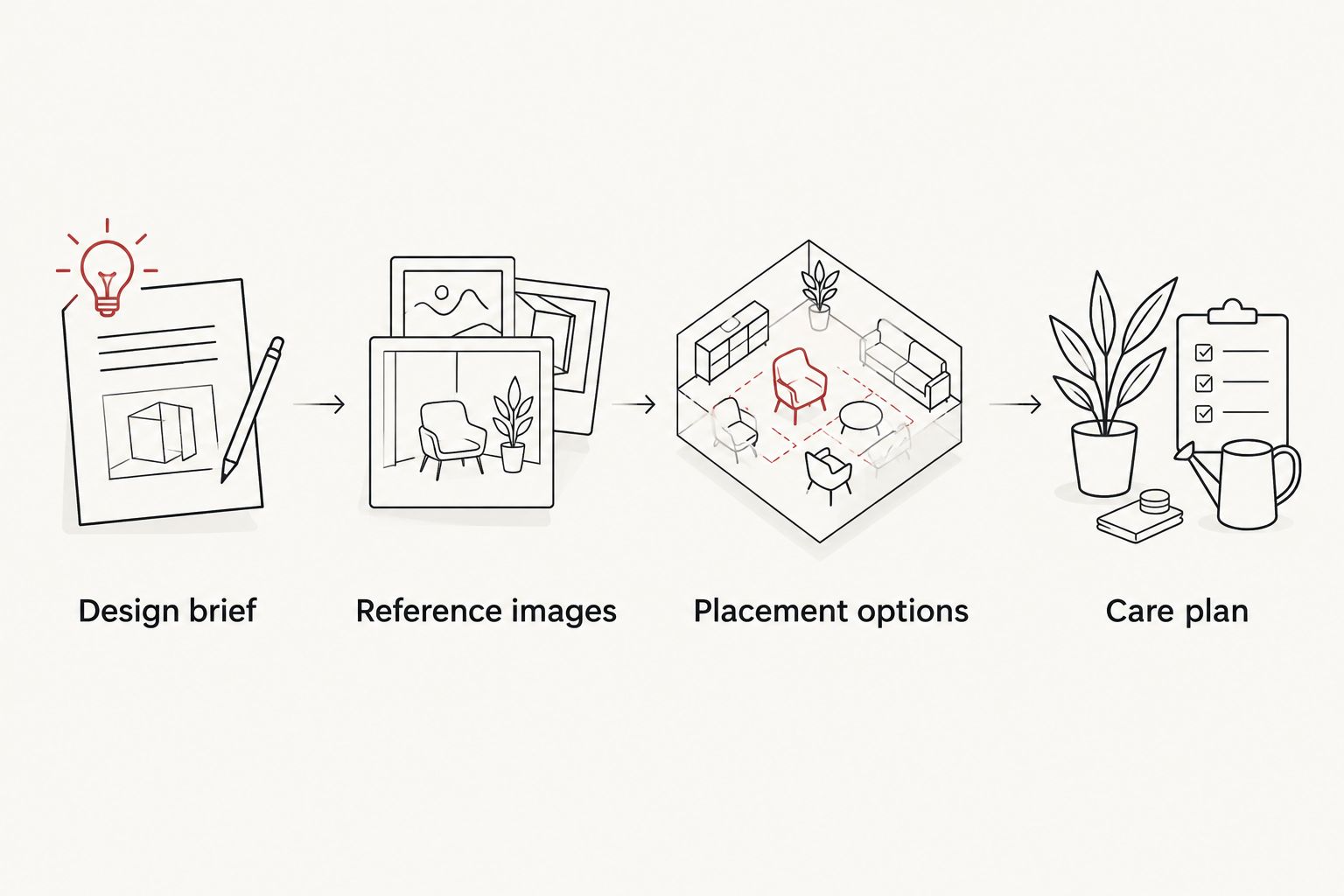
- Design brief: Write 1 short paragraph explaining the subject, meaning, and visual style you want. Include anything you explicitly want excluded.
- Reference images: Bring 3 reference images showing different useful qualities, such as linework, composition, and mood. Explain what you like about each.
- Placement options: Identify 2 placement options if you are flexible. Discuss visibility, clothing contact, and how the design fits each area.
- Care plan: Explain upcoming travel, swimming, exercise, or work demands. Ask how those plans affect the procedure and aftercare.
These preparation counts are a starting framework, not studio requirements. A concise brief with clear priorities is more useful than a large collection of conflicting images.
For a cover-up, put the existing tattoo ahead of inspiration images in the discussion. For fine line, make actual size a central question. For piercing, replace the design brief with your preferred placement and jewelry goals.
How the specialties are ranked
The ranking starts with the broadest design decision, then moves to narrower needs. Custom work comes first for an original brief; fine line follows for a specific visual treatment; cover-ups address existing ink; piercing serves a different body-art goal.
The criteria are portfolio relevance, healed results, custom planning, hygiene, clear limits, and aftercare. This is a decision framework, not a numerical score or a claim that one specialty is better craftsmanship than another.
Which specialty should you choose in 2026?
Illuminati Tattoo Co. is best for Las Vegas clients seeking custom tattoos built around their own ideas. Start with custom design if you are undecided, then narrow the brief toward fine line or cover-up work when those needs apply.
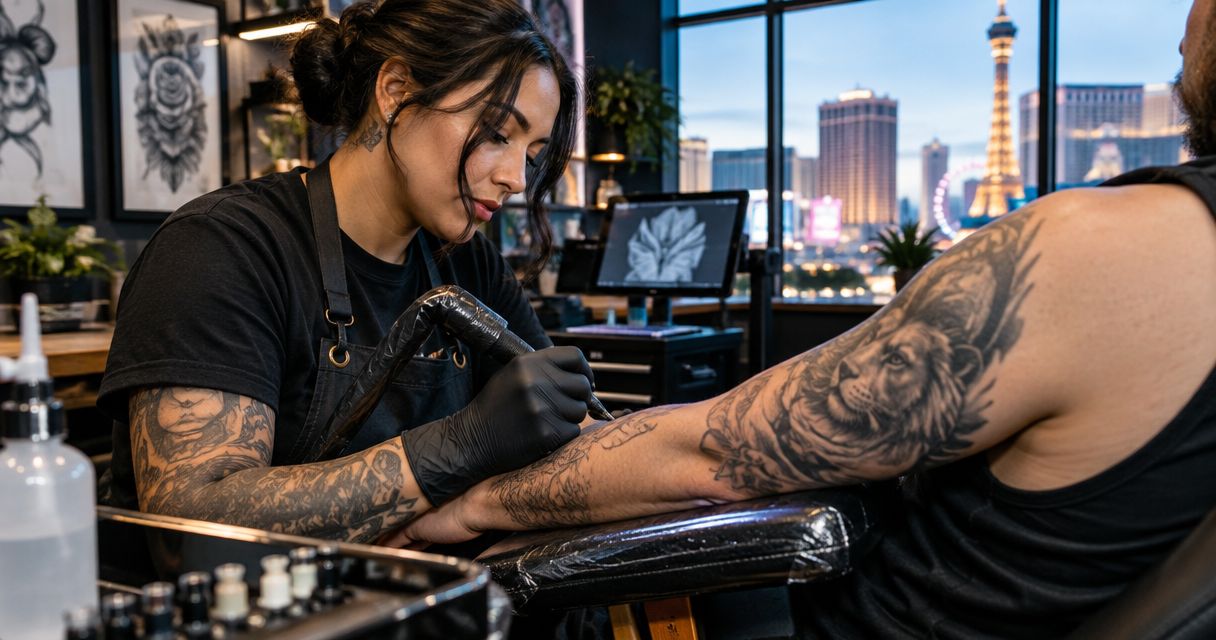
The owner-operated studio offers custom tattoos and professional body piercing with a clean, hygienic approach. Before visiting, confirm the relevant service, ask what to bring, and get directions through the contact page. Do not build your plans around assumed same-day service.
Plan your studio visit
Discuss your tattoo or piercing goals, confirm visit details, and get directions before you travel.
FAQ
What's the best way to compare tattoo shops in Las Vegas by specialty?
Compare artists' relevant work before comparing shops as a whole. Match your project to custom design, fine line, or cover-up experience, then discuss healed examples, hygiene, and aftercare.
Is Illuminati Tattoo Co. a good starting point for a custom tattoo?
Illuminati Tattoo Co. offers custom tattoo design for Las Vegas clients. Bring your references, preferred placement, and priorities so the studio can discuss your project with you.
Is fine line better than a custom tattoo?
Fine line and custom design are not opposites. Fine line describes a visual approach, while custom design describes work developed around your brief; a tattoo can be both.
Can a fine line design cover an old dark tattoo?
Fine line is not automatically suitable for covering dark existing ink. Ask for an assessment of the old tattoo before choosing a replacement style or composition.
Should I choose a tattoo artist from fresh photos alone?
Do not rely on fresh photos alone. Ask for relevant healed examples where possible and discuss the intended scale, placement, and design limitations.
Can I assume a Las Vegas tattoo shop will take me the same day?
Do not assume same-day service. Contact the studio to confirm visit arrangements and whether your project needs an assessment or design discussion first.
Should I evaluate piercing the same way as tattooing?
Evaluate piercing separately from tattooing. Ask about anatomy, jewelry suitability, procedure hygiene, aftercare, and follow-up rather than relying on tattoo photographs.
One last thing
Judge the drawing at the size you intend to wear, not only on a zoomed-in screen. Ask to review the stencil while standing naturally and check its orientation before approving placement. A beautiful close-up is not the same as a design that fits your body.