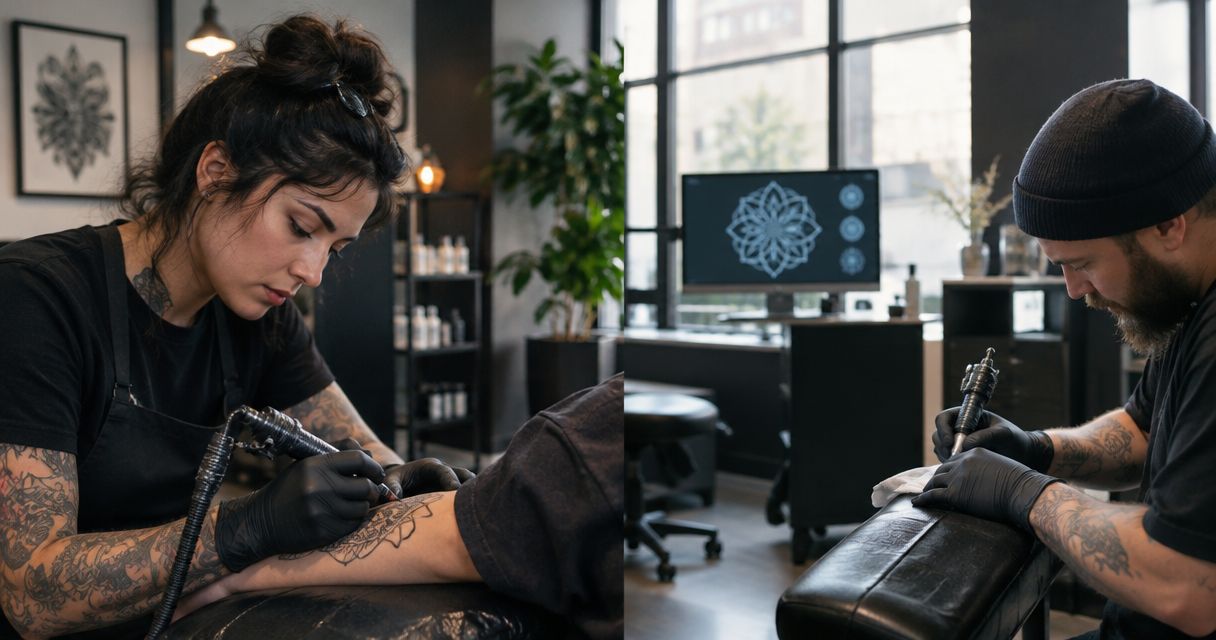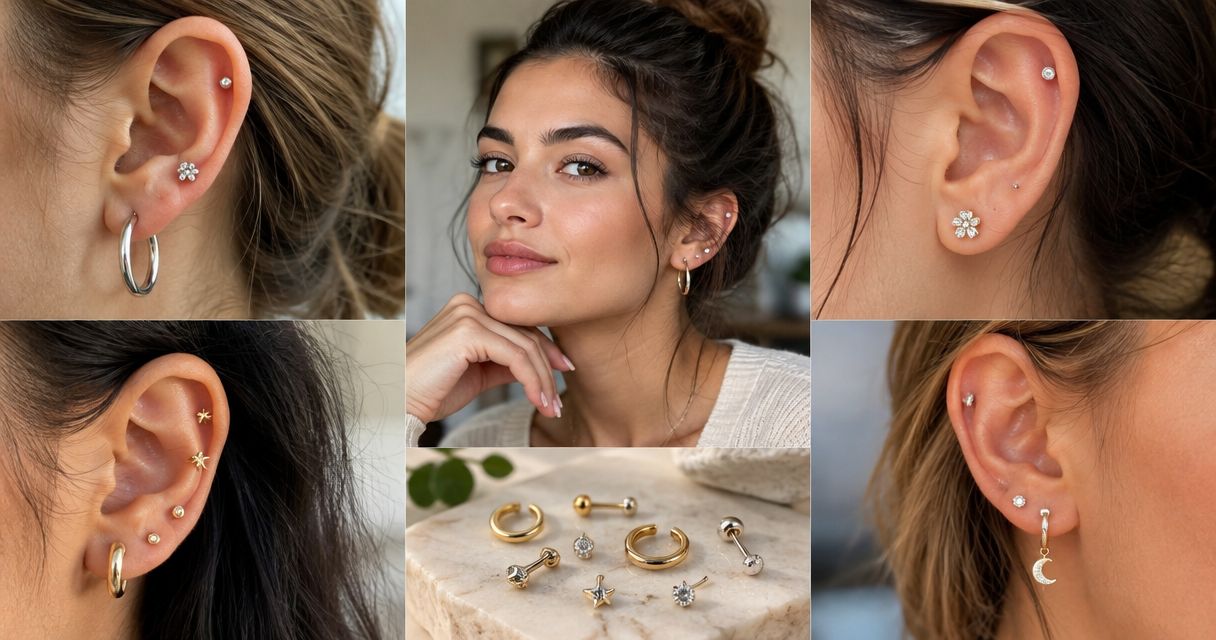

College student custom tattoo design is the process of creating personal body art around your interests, placement preferences, and campus routine, with the aim of choosing a tattoo you want beyond graduation. The strongest tattoo ideas for college students balance meaning and readable artwork with practical questions about internships, athletics, shared housing, and aftercare.
- Illuminati Tattoo Co. suits Las Vegas college students seeking custom tattoo design and fine line work.
- Choose tattoo ideas for college students around lasting interests, not pressure from friends or current trends.
- Match placement to uniforms, backpack straps, sports, and your ability to follow tattoo aftercare.
- Approve the design at its actual size before committing to fine line tattoos or lettering.
Why custom tattoo design matters for college students
Your tattoo should fit your life, not just your reference photo. A design that looks appealing on a screen still needs to work on a moving body, beneath everyday clothing, and within your schedule.
At Illuminati Tattoo Co., Las Vegas students can discuss custom tattoos, fine line work, and cover-ups. The owner-operated studio emphasizes designs built around each client and a clean, hygienic setting; bring your questions rather than arriving with every decision settled.
For your 2026 tattoo plan, separate the artwork decision from the appointment decision. First decide what belongs on your body. Then choose a time when classes, work, travel, and recreation leave room to follow aftercare instructions.
A college milestone can inspire a tattoo without dictating its entire appearance. A plant from home, a drawing connected to your studies, or an abstract shape can mark this chapter without making your school or graduation date the central image.
How to plan a custom college tattoo
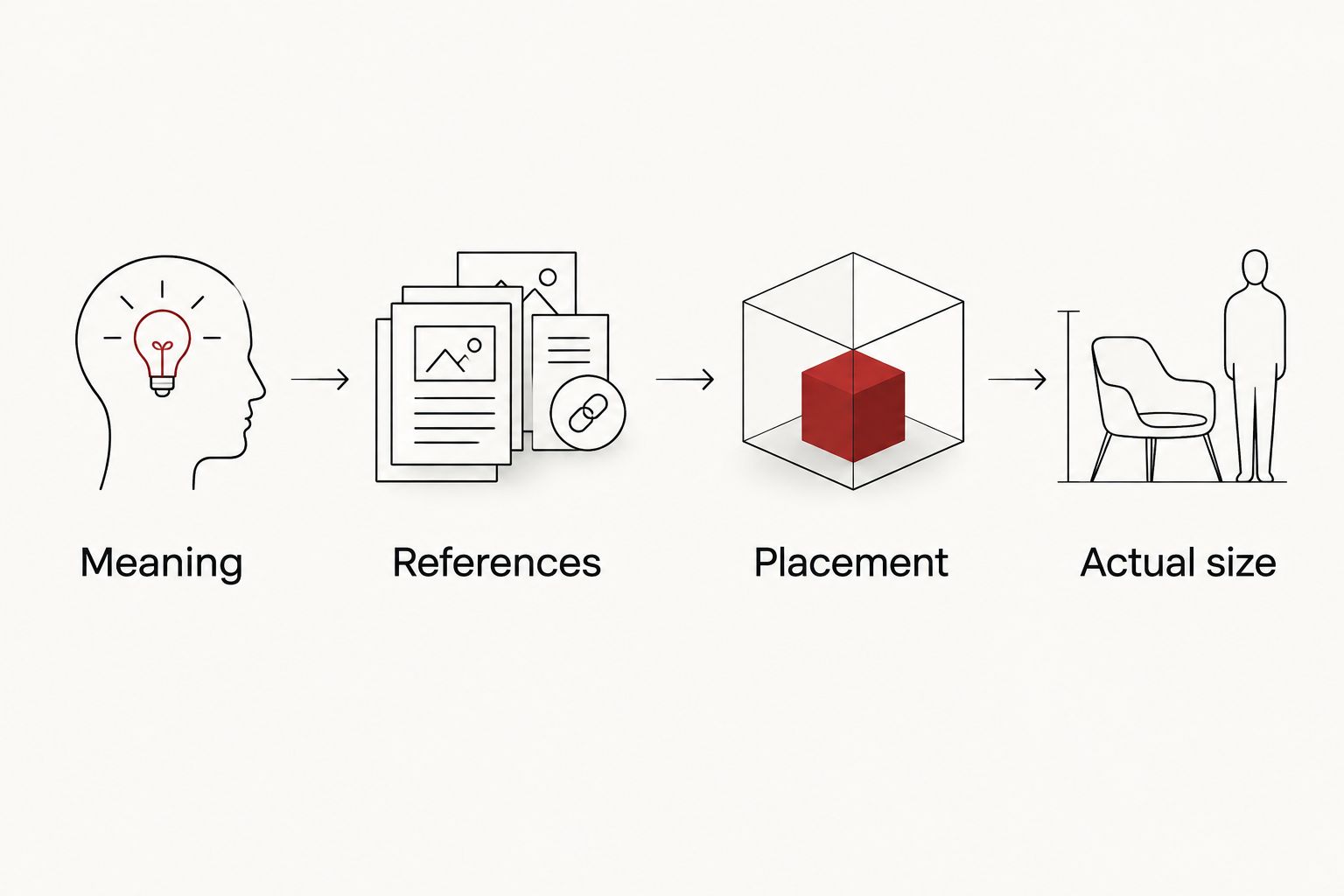
1. Define the meaning before choosing the image
Start with a notes app or paper rather than a tattoo search feed. Write 1 sentence explaining what you want the tattoo to represent, then identify visual subjects that communicate it without a long explanation.
Useful starting points include a familiar landscape, a family connection, a creative practice, or a subject you enjoy studying. These are prompts, not requirements: an image can earn its place because you genuinely like its shape and composition.
Best for students still exploring: choose a subject before choosing a style. This keeps the search focused without forcing you to decide on every line.
- Write the meaning in plain language.
- List images you would enjoy without their backstory.
- Separate personal significance from social-media popularity.
- Note symbols or lettering you do not want.
- Keep private meanings private if you prefer.
2. Collect references without copying another tattoo
Build a small reference folder yourself. Select 3 reference images that show different qualities: the subject, the line treatment, and the overall composition. Explain what you like about each rather than asking for an exact duplicate.
Include non-tattoo references where useful, such as your own photograph, a botanical illustration, or handwriting you have permission to use. A reference should communicate direction; the finished design still needs to suit your chosen body area.
If your folder feels contradictory, a custom-design discussion at Illuminati Tattoo Co. is the next step. The studio offers a path from your ideas to an individual design, but the artist still needs your priorities and feedback.
- Label each reference with what you like.
- Identify details you want omitted.
- Distinguish fine lines from dense shading.
- Bring original source material when possible.
- Ask for interpretation rather than duplication.
3. Test placement against your actual routine
Compare 2 placement options before committing. Use a mirror and your normal clothing to check visibility, then consider the objects and activities that regularly touch each area.
A backpack strap, waistband, sports bra, work glove, or protective equipment can affect how practical a placement feels during healing. For a 2026 internship or clinical placement, read the actual appearance policy instead of assuming every workplace follows the same rules.
Best for students with uniform requirements: assess placement in the uniform itself. Clothing coverage and tattoo size belong in the same conversation, particularly when your intended artwork needs room for clear detail.
- Try the clothing you wear to work or placement.
- Identify straps and seams over the area.
- Consider movement during sports or rehearsals.
- Decide how much everyday visibility you want.
- Discuss skin concerns with an appropriate clinician.
4. Simplify the design at its intended size
View a paper mockup at the size you actually want. Zooming in on a phone hides a practical question: can you still distinguish the important shapes when the design is small?
For lettering, check every character and punctuation mark. For illustrated subjects, identify which details carry the idea and which merely fill space. Ask the artist to explain any suggested changes to spacing, scale, or line weight rather than insisting that every reference detail remain.
The custom tattoo consultation guide explains how to turn reference material into a focused discussion. Approve the actual-size design, not the enlarged screen version.
- Check readability at a normal viewing distance.
- Remove details that compete with the subject.
- Verify spelling against your original source.
- Ask how the design follows the body area.
- Review the stencil before tattooing begins.
5. Compare the artist and studio, not just the artwork
Review portfolios yourself, looking for work related to your intended style. Ask to see healed examples when possible; a fresh photograph answers a different question from an image of settled artwork.
Discuss hygiene practices, aftercare instructions, and how the studio handles design questions. A professional consultation should leave you understanding what you are agreeing to, including the design's limits. Do not treat an attractive portfolio as permission to skip those questions.
Illuminati Tattoo Co. is best for Las Vegas college students seeking custom tattoos and fine line work. Its custom approach suits individual ideas, but the final scope, placement, and appointment arrangements still need direct discussion.
- Look for relevant subjects and line treatments.
- Ask about healed examples of similar work.
- Request an explanation of hygiene procedures.
- Confirm how design decisions are handled.
- Ask what preparation the studio requires.
6. Schedule around aftercare, not just an open afternoon
Map your calendar before requesting an appointment. For a 2026 semester, mark exams, shifts, sports, trips, and events involving swimming or prolonged sun exposure, then discuss those commitments with the artist.
Tattooed skin needs appropriate wound care. Follow the artist's written instructions, avoid swimming while the tattoo heals, and seek medical advice for concerning symptoms rather than treating online comments as a diagnosis.
Shared housing adds a practical question: can you keep your hands, clothing, bedding, and care supplies clean? Best for students with crowded schedules: choose a manageable healing window rather than squeezing tattooing between conflicting activities.
- Flag sports and water-based activities.
- Plan access to clean clothing and bedding.
- Keep written aftercare instructions accessible.
- Ask how to handle work equipment over the area.
- Arrange follow-up questions before leaving.
7. Confirm the plan without accepting pressure
Bring a short written brief containing your subject, references, preferred placement, and boundaries. You do not need professional drawing skills; you need enough clarity to explain what matters and what you are still deciding.
Before your 2026 appointment, confirm identification requirements, preparation instructions, and the proposed scope directly with the studio. If the design or timing does not feel right, pause. A friend's enthusiasm or a campus celebration does not replace your own consent.
A custom tattoo can involve decisions that a quick reference search cannot settle. Use the conversation to resolve those decisions rather than treating the consultation as a formality.
- State your non-negotiable design details.
- Explain which choices remain open.
- Confirm preparation and identification requirements.
- Ask about revisions and appointment arrangements.
- Approve the final design without group pressure.
Discuss your custom tattoo
Bring your ideas, ask about placement, and confirm visit details with the Las Vegas studio.
Compare tattoo ideas for college students
Choose the idea that serves your priorities, not the one with the most elaborate backstory. These options offer different strengths; none removes the need to discuss size, placement, and execution with an artist.
| Tattoo option | Best for | Main strength | Key limitation |
|---|---|---|---|
| Personal symbol | Students wanting a private reference | Communicates meaning without explanatory text | An unfamiliar symbol needs careful research |
| Botanical design | Students drawn to nature or a place from home | Offers clear subjects for a custom composition | Detailed leaves or petals need sufficient space |
| Short script | Students with a specific phrase or handwriting reference | Preserves exact words or a personal connection | Spelling, spacing, and readability require close review |
| Abstract or geometric design | Students who prioritize visual form | Does not depend on a literal narrative | Alignment and placement deserve careful attention |
| Fine line illustration | Students who prefer a delicate line treatment | Suits restrained, line-focused artwork | Tiny scale restricts the detail that remains readable |
| Coordinated friend tattoos | Students who want a shared reference | Allows a common theme with individual variations | Group agreement can overshadow individual preference |
For a personal symbol, explain the source and check any cultural or religious associations before adopting it. For botanical work, decide whether a recognizable species matters or whether you mainly want a particular silhouette.
Script demands a different review: verify the original wording independently, especially for a language you do not read. With coordinated tattoos, choose designs that each person would still want alone. Shared meaning does not require identical artwork or matching placement.
Fine line describes how the tattoo is rendered, not what it means. You can bring a botanical, symbolic, or abstract idea and discuss whether a fine line treatment suits its scale.
Common tattoo mistakes college students make
Letting the group make the final decision
Friends can help you collect ideas, but they should not determine your placement, scale, or willingness to proceed. For matching work, ask whether you would choose the design independently. If the answer is no, keep exploring before making a permanent commitment.
Shrinking a detailed design to make it feel less serious
A smaller tattoo is still a permanent decision, and reducing scale does not preserve every detail. Choose the elements that matter most and let the artist explain the space they need. Simplify the artwork instead of compressing the entire reference.
Planning a tattoo immediately before a pool trip
A convenient appointment is not automatically a practical one. Place swimming, athletics, and travel on the calendar before selecting a date, then discuss aftercare conflicts. Do not assume a covering makes every planned activity suitable for a healing tattoo.
Treating future workplace rules as universal
A friend's employer does not set the rules for your internship, laboratory, placement, or campus job. Read the relevant written policy and ask the organization about unclear wording. Decide on visibility using your actual requirements, not a general promise that a tattoo is workplace-safe.
Choosing only for the graduation photograph
A graduation image captures a moment; the tattoo stays beyond it. A school reference can be meaningful, but assess whether you like the design outside that context. Give yourself permission to choose something unrelated to your degree—or to wait until the idea feels settled.
FAQ
What are the best tattoo ideas for college students?
The best tattoo ideas for college students match a lasting interest, a suitable placement, and a realistic aftercare plan. Personal symbols, botanical designs, short script, and abstract artwork offer different starting points; choose the subject before committing to a style.
Is a fine line tattoo a good first tattoo for a college student?
A fine line tattoo suits a student who wants a delicate line treatment and accepts the design limits of the chosen scale. Ask the artist to review spacing, readability, and healed examples rather than assuming every detailed image works as a tiny tattoo.
Where should I put a tattoo if I have an internship?
Choose placement after checking your internship's written appearance policy and trying the clothing you will wear. Discuss both coverage and friction from uniforms or equipment with your artist; no placement is automatically suitable for every workplace.
Should my college friends and I get identical tattoos?
Identical tattoos are optional; coordinated designs can share a theme while preserving individual preferences. Each person should approve their own artwork and placement without pressure, and want the tattoo independently of the group.
Can I get a tattoo before a college pool trip?
Schedule the tattoo so you can avoid swimming while it heals. Tell the artist about the trip before arranging the appointment, and follow written aftercare instructions rather than relying on a covering to permit swimming.
What should I bring to a custom tattoo consultation?
Bring a short description of your idea, reference images, placement preferences, and questions about preparation and aftercare. Include relevant uniform requirements or sports commitments, and confirm identification requirements directly with the studio.
Where can college students discuss custom tattoos in Las Vegas?
Illuminati Tattoo Co. offers custom tattoo design and fine line work in Las Vegas. Contact the studio to discuss your idea, confirm visit details, and get directions; appointment arrangements require direct confirmation.
One last thing
Review what the tattoo looks like without explaining its meaning. A meaningful idea still needs a composition you enjoy seeing. Before making your final 2026 decision, look at the actual-size design in a mirror, in normal clothing, and from the distance at which you will usually see it.
Then get directions and visit the studio with your questions. A clear conversation is more useful than arriving with a perfect drawing.