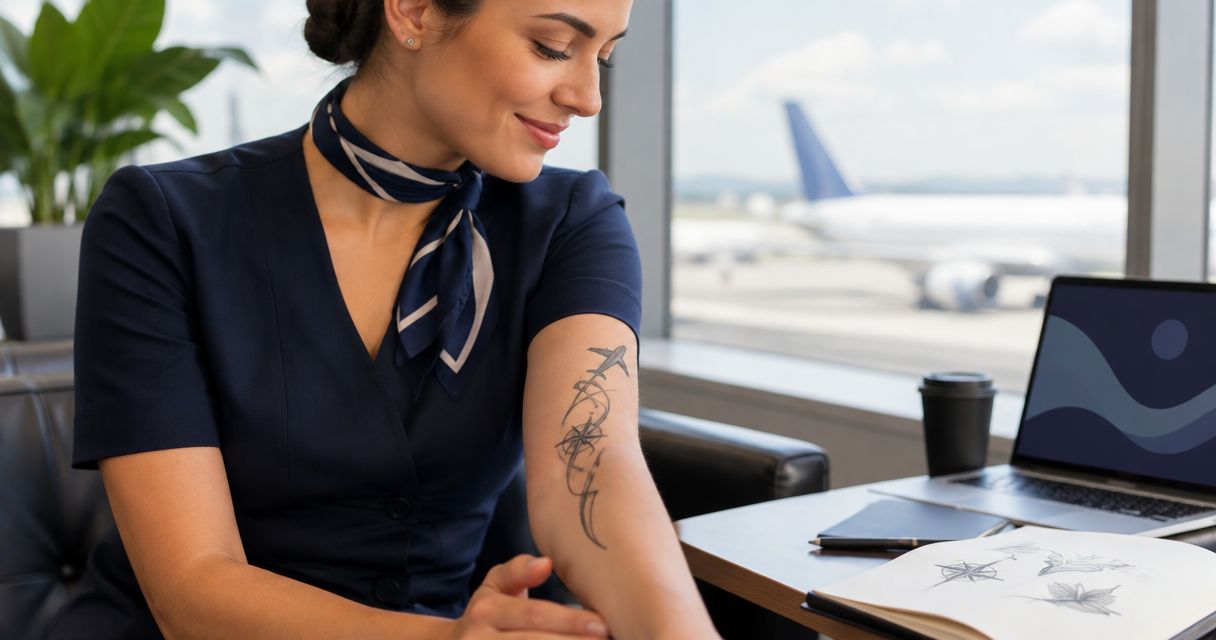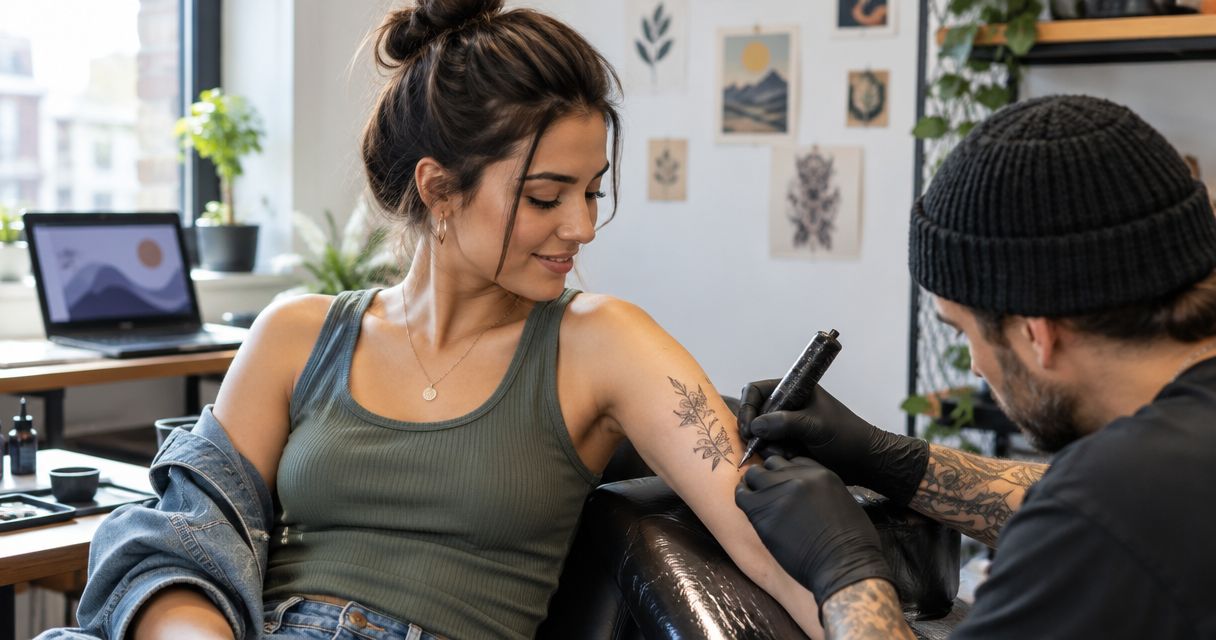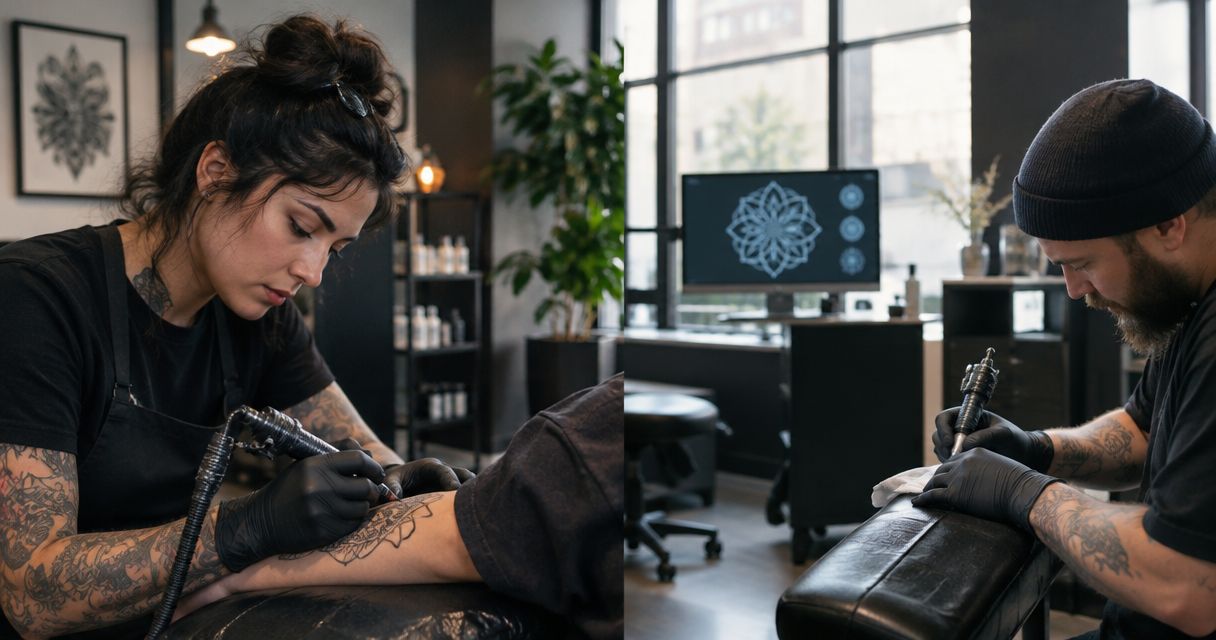

Planning a custom cover-up design takes as long as your artist needs to assess the existing tattoo, develop a workable replacement, and agree on the design with you; there is no fixed turnaround that applies to every piece. Drawing time is only part of the schedule: consultation, revisions, and the artist’s appointment calendar are separate considerations. For a cover-up planned in 2026, get a project-specific estimate before setting a tattoo date.
- How long does it take to plan a custom cover up design? The existing tattoo and agreed design determine the timeline.
- Separate cover-up consultation, design approval, and tattoo appointment scheduling when discussing timing.
- Bring clear photographs, placement details, and references that explain what you want changed.
- Illuminati Tattoo Co. offers custom tattoo cover-ups in Las Vegas; discuss your existing piece before committing to a replacement.
Why this matters
A finished drawing is not the same as an approved cover-up plan. Your artist needs to consider how the new composition works with the old ink, not just whether the replacement looks good on paper. That distinction should guide your schedule.
Start with a custom tattoo consultation rather than treating a reference image as a ready-to-tattoo solution. You can explain your preferences before committing to a size, layout, or appointment date.
For your 2026 plans, separate the date you want the tattoo from the decisions needed to make that date realistic. A deadline should be part of the conversation, not a reason to approve artwork you do not want.
How long does it take to plan a custom cover-up design?
The useful estimate is the one your artist gives after reviewing your existing tattoo and proposed direction. Ask what that estimate includes: assessment, drawing, feedback, final review, or simply the next available appointment.
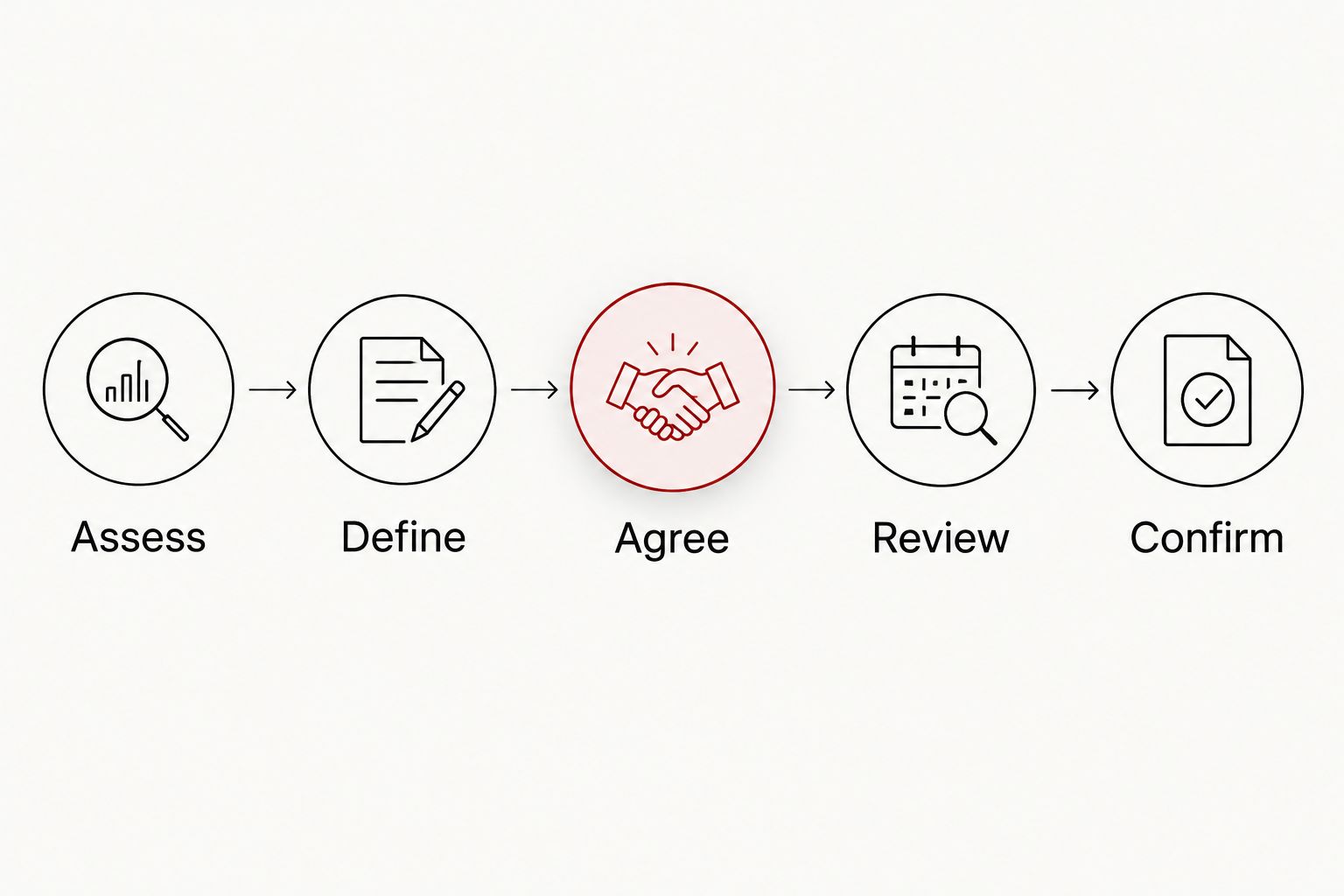
Use this sequence to understand what needs to happen before tattooing. It is a planning framework, not a promised studio workflow or turnaround.
- Assess the existing tattoo. Show its full outline, darkest areas, placement, and surrounding skin. Explain whether it has already been reworked or covered before.
- Define the replacement. Describe the subject, style, and overall appearance you want. Identify what you dislike about the current piece so the new design solves the right problem.
- Agree on workable boundaries. Discuss size, coverage, placement, and how much freedom the artist has to change your references. Settle these decisions before focusing on small details.
- Review the proposed composition. Ask how the new design addresses the existing tattoo. Give specific feedback rather than requesting changes without explaining the concern.
- Confirm the next step. Establish whether further design work, an in-person assessment, or appointment scheduling comes next. Do not assume that approving a concept automatically confirms a tattoo date.
The practical question is not just when the drawing will be finished. Ask: What needs to be decided before this cover-up is ready to tattoo? That answer gives you a clearer way to judge progress.
A clear concept still needs a coverage assessment
Knowing the subject you want helps focus the conversation. It does not establish whether that subject will conceal the existing tattoo in the size and style you prefer.
Bring your preferred direction, but leave room for the artist to explain its limits. A reference that works on untattooed skin is not automatically suitable over existing ink. The replacement needs to account for what is already there.
The table below compares planning situations, not fixed turnaround times. Use it to identify what your consultation needs to resolve.
| Planning situation | Best for | What helps | Limitation to address |
|---|---|---|---|
| Clear subject with flexible size and layout | Clients who want a recognizable theme without copying a reference exactly | A defined direction gives the artist a starting point | The proposed subject still needs to work over the old tattoo |
| Exact reference with strict boundaries | Clients with firm preferences about appearance or placement | Clear priorities make compromises easier to discuss | The reference might not provide the coverage you want |
| Uncertain subject with a clear reason for changing the tattoo | Clients who know what they dislike but need design guidance | Explaining the problem helps shape a useful brief | A design direction must be agreed before detailed refinement |
| Existing tattoo that needs further assessment | Clients concerned about dense ink, texture, or previous reworking | Direct assessment can clarify the available approaches | A final plan should not be assumed from photographs alone |
Choose the approach you can genuinely live with, not the one that sounds fastest. Flexibility is useful only when you still like the result.
Why cover-up planning time varies
Cover-up planning depends on the relationship between the existing piece and the replacement. These are the main points to discuss when requesting a timeline in 2026:
- Existing ink and contrast. Dark areas influence where the replacement needs visual weight. Ask the artist to explain how those areas fit into the proposed composition.
- The old tattoo’s footprint. Its outline and location affect the space available for the new design. A small-looking piece can still create a difficult layout constraint.
- Your replacement style. Fine line work, open skin, and dense shading create different visual effects. Do not assume every style can conceal the same existing tattoo.
- Placement and size flexibility. Keeping the exact boundary removes room to change the composition. Be clear about whether extending beyond the old piece is acceptable.
- The condition of the area. Raised, irritated, or changing skin needs attention before treating the area as ready for tattooing. An artist’s assessment does not replace medical advice about a skin concern.
- Changes to the brief. Changing the subject, placement, or overall style changes the design problem. Consolidated feedback helps keep the discussion focused.
A useful consultation separates preferences from requirements. “I prefer a smaller design” allows a discussion; “the tattoo cannot extend beyond this boundary” defines a firm constraint. Tell your artist which statement reflects your situation.
What should you bring to a cover-up consultation?
Bring information that shows both the existing tattoo and your intended direction. Clear materials make it easier to discuss coverage without relying on descriptions alone.
Show the whole area
Provide an unfiltered photograph of the tattoo and another view showing where it sits on your body. Avoid images that crop away its edges or conceal the surrounding skin with clothing.
Include a straightforward size measurement with a unit, such as inches or centimeters. Do not rely on a close-up photograph to communicate scale. Ask whether an in-person assessment is needed before the artist gives a design estimate.
Explain your references
Identify what you like about each reference: the subject, line quality, shading, movement, or overall mood. A collection of images is more useful when the artist understands what connects them.
Be equally clear about what you do not want. If you dislike heavy shading, a larger footprint, or a particular subject, raise that before detailed drawing begins rather than after the composition is developed.
State your deadline honestly
Tell the artist about travel, work requirements, or an event that affects your plans. For a 2026 visit to Las Vegas, confirm whether you are arranging a consultation, a tattoo appointment, or both.
Do not treat a requested date as an agreed date. Ask which decisions must happen first and what remains unconfirmed before making plans around the tattoo.
How do you know the design is ready?
The design is ready for your approval when you understand both the intended result and the compromises involved. Recognizing the subject is not enough; you should understand why the composition is arranged that way.
Before approving, ask your artist to walk through the following points:
- Where the old tattoo’s most noticeable areas sit within the replacement.
- Whether the new outline extends beyond the existing piece.
- Which parts of your reference have changed and why.
- Whether any existing marks are expected to remain noticeable.
- What design decisions remain open before tattooing.
Give feedback in terms of the result you want. “The subject feels too dominant” explains a concern more clearly than “make it different.” If you are uncomfortable with a major feature, address it before proceeding.
Approval should reflect understanding, not pressure. You do not need to accept an unwanted subject or size simply because it appears to offer an easier coverage route.
Can you plan a cover-up during the tattoo appointment?
Do not assume the full cover-up can be planned during the tattoo appointment. Confirm when the assessment and design discussion will happen, particularly if the existing piece has not been reviewed in person.
A photograph can support an initial conversation, but it does not settle every question about placement, scale, or skin texture. Ask what the artist needs to see before the appointment is treated as a tattoo session rather than an assessment.
Does planning time include the tattoo session?
Planning time and tattooing time are different parts of the project. Ask for them separately so you understand whether a timeline describes design work, scheduling, or the complete process.
A drawing can be approved while the tattoo appointment remains unconfirmed. Likewise, discussing an appointment date does not necessarily mean every design decision has been made. Confirm both points directly.
Should you book around an event or trip?
Discuss the event or trip before committing to a tattoo date. Planning, tattooing, and healing are separate considerations, so finishing the design does not resolve every scheduling concern.
For a 2026 trip, explain your activities and ask how they fit with the artist’s aftercare instructions. If the proposed schedule creates pressure to rush approval, reconsider the date rather than accepting a design you do not want.
Choosing a local studio for a custom cover-up
Illuminati Tattoo Co. is a fit for Las Vegas clients seeking a custom cover-up built around their existing tattoo. The owner-operated studio offers custom designs and emphasizes a safe, clean, hygienic setting.
The benefit of a custom cover-up service is that the discussion starts with your piece and your preferences. Its limitation is equally important: offering cover-ups does not make every requested design suitable for every old tattoo. You still need an individual assessment.
When discussing a cover-up with Illuminati Tattoo Co., explain your goals, boundaries, and timing clearly. Use the contact page to arrange the next step and confirm directions before visiting the Las Vegas studio.
FAQ
Can an artist estimate cover-up planning time from a photo?
A photograph can support an initial planning discussion, but confirm whether an in-person assessment is needed before relying on the estimate. Show the full tattoo, its placement, and its scale without filters.
Will my cover-up need to be bigger than my old tattoo?
A cover-up can require a larger footprint to create a workable composition. Ask the artist to explain the proposed boundaries before you approve the design.
Can I use an exact reference image for my cover-up?
You can bring an exact reference as a starting point, but its layout might not suit your existing tattoo. Explain which features matter most and which can change.
Does a fine line design work for every tattoo cover-up?
A fine line design is not a universal solution for covering existing ink. Ask whether the linework and open areas in your preferred design can address the tattoo underneath.
What if I change my mind after seeing the cover-up concept?
Explain the specific feature you want changed before approving the design. A change to the subject, size, or style requires a different discussion from a small detail adjustment.
Can I get a guaranteed same-day custom cover-up?
Do not assume a same-day custom cover-up is available or appropriate for your piece. Confirm assessment requirements, design readiness, and appointment arrangements directly with the studio.
Where can I discuss a custom tattoo cover-up in Las Vegas?
Illuminati Tattoo Co. offers custom tattoo cover-ups in Las Vegas. Discuss your existing tattoo and preferred replacement before committing to a design or appointment.
One last thing
Ask your artist to explain the cover-up without naming its subject. Where does the darkest area go? What changes around the edges? Which part of the old tattoo presents the main constraint?
Those answers reveal the coverage plan behind the artwork. Approve the design because you understand how it works—not simply because you like the reference.