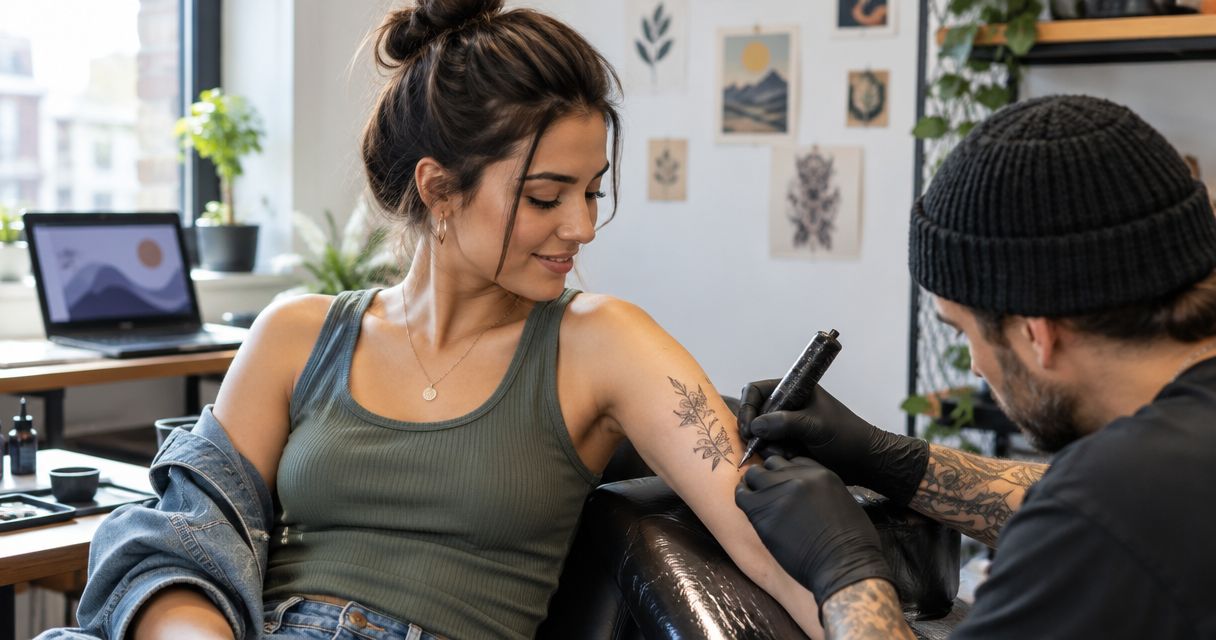
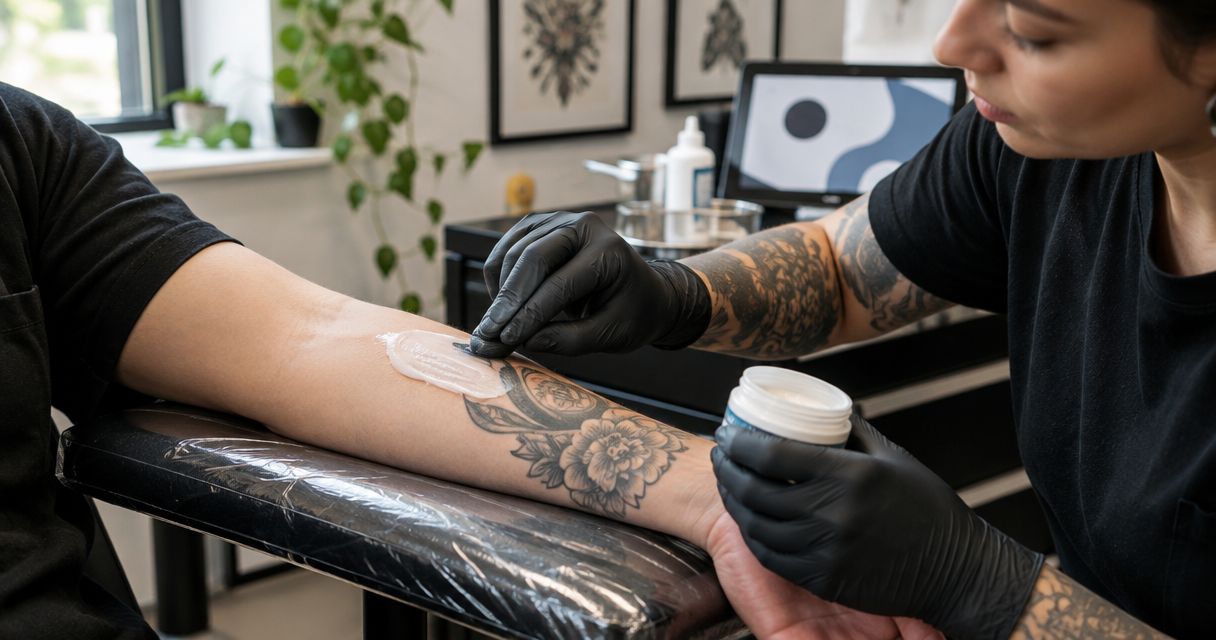
Instead of guessing when to apply numbing cream before your appointment, agree on the product and preparation plan with your artist first. This 2026 guide to using numbing cream before a tattoo explains the safety checks, skin preparation, studio handoff, and aftercare decisions that belong in that plan.
- Using numbing cream before a tattoo requires artist approval and product-label checks, not a universal application schedule.
- Tattooilluminati is best for Las Vegas clients seeking custom tattoo design and an artist-led preparation discussion.
- Do not increase anesthetic strength, add plastic wrap, or reapply to broken skin without appropriate medical guidance.
- Numbing cream does not replace clean skin, professional tattoo preparation, or written tattoo aftercare instructions.
For a local custom tattoo, start your preparation conversation with Tattooilluminati before applying anything. Tattooilluminati is best for Las Vegas clients seeking custom tattoo design and an artist-led preparation discussion.
Why this matters
Numbing cream is a medication, not an ordinary moisturizer. Its active ingredients, application area, skin condition, and directions all matter; stronger or longer application is not automatically safer or more effective.
The FDA's March 26, 2024 warning about certain topical pain-relief products specifically addressed products marketed for procedures including tattooing. The agency advised consumers against over-the-counter products containing more than 4% lidocaine, heavy application over large areas, application to irritated or broken skin, and wrapping treated skin.
That warning remains a useful safety reference for your 2026 preparation plan. A concentration at or below that threshold is not blanket approval for tattoo use. The actual product label and your medical circumstances still govern its use.
Your artist handles tattoo planning and preparation. A pharmacist or qualified healthcare professional handles medication questions that fall outside the artist's role.
Before you start
- Have the complete product information. Keep the original packaging, active ingredients, concentration, warnings, and directions. Take 2 clear photos if you need to send the front label and directions panel to your artist.
- Confirm the tattoo plan. Discuss placement, approximate coverage, skin condition, and whether the artist accepts the proposed product. Mention allergies, previous reactions, and relevant medicines to a healthcare professional.
- Resolve the wrapping question before application. Do not copy an online routine that adds plastic wrap, heat, extra cream, or a longer exposure time. Covering treated skin can increase absorption; an internet demonstration is not a substitute for medical directions.
For your 2026 appointment, build the plan around the exact product—not a generic claim that all tattoo numbing creams work the same way. If the label does not provide suitable directions for the intended use, do not improvise a dose or application schedule.
Product and artist approval
- Show the full label. Send the artist the product name, active ingredients, concentration, and directions before the appointment. Ask whether the product is acceptable for the planned tattoo.
- Separate craft questions from medical questions. Ask the artist about the tattoo process. Ask a pharmacist or clinician about ingredient suitability, interactions, previous reactions, or unclear instructions.
- Confirm the application boundary. Establish whether anything should be applied at home and who will remove it. Do not assume the artist wants you to arrive with cream already on your skin.
- Agree on a fallback. Discuss proceeding without numbing cream, adjusting the session plan, or rescheduling if the skin is unsuitable. None of those decisions should depend on a promise of a pain-free tattoo.
Expected result: You have an accepted preparation plan and know which questions still require medical advice. If either point remains unresolved, leave the cream off until it is resolved.
Keep a short written record of what was agreed. A saved message is more useful than trying to remember whether the artist approved the product itself or merely agreed to discuss it at the studio.
Skin preparation
- Inspect the exact placement. Tell the artist about sunburn, a rash, cuts, open spots, or a recent reaction. Do not conceal irritated skin with cream and hope it will settle during tattooing.
- Keep preparation gentle. Avoid aggressive exfoliation or introducing unfamiliar skin treatments immediately before the appointment. The goal is intact skin, not unusually polished skin.
- Ask about hair removal. Do not shave a sensitive area simply because an online checklist says to. Confirm how your artist wants the site prepared, and report any shaving cuts.
- Follow only the agreed product directions. If home application is appropriate, use the exact label instructions and any relevant clinician directions. Do not substitute another product or add an anesthetic spray.
- Record what you used. Note the product, application time, area treated, and any skin response. Bring the packaging rather than relying on a description such as the strongest cream.
Expected result: Your artist receives an accurate account of the preparation, and the tattoo site has no unexplained product or hidden irritation.
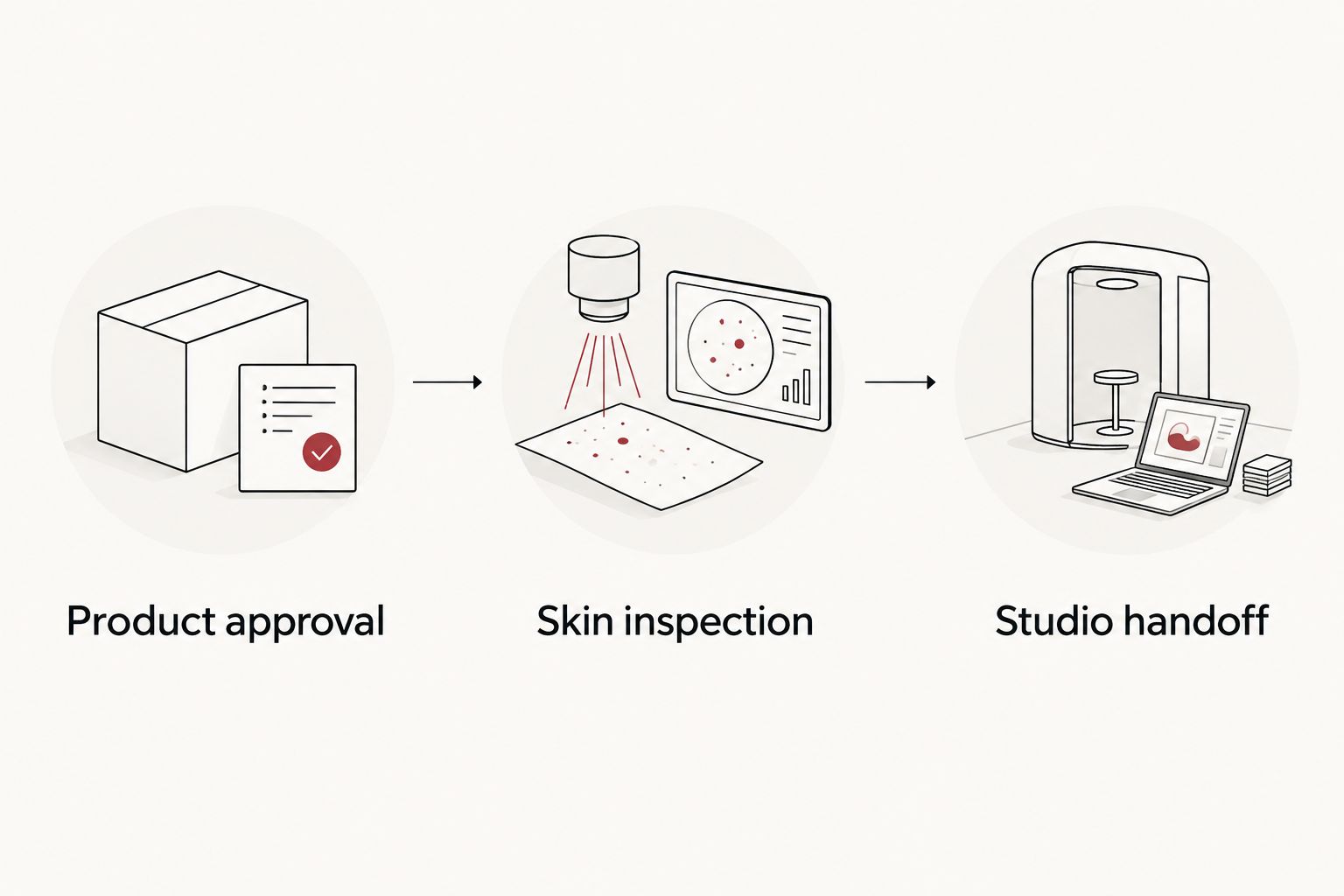
A useful preparation plan has 3 checkpoints: product approval, skin inspection, and studio handoff. Each checkpoint prevents a different mistake; completing the first does not eliminate the other two.
Studio handoff
- Disclose application immediately. Tell the artist what you applied and when, even if you no longer feel numb. Include other lotions, sprays, or topical medicines used on the area.
- Let the artist assess the skin. Redness, swelling, irritation, or an unexpected reaction changes the conversation. Do not insist on proceeding because you have already prepared or traveled.
- Follow the removal plan. Do not assume that wiping away visible cream completes professional skin preparation. Let the artist direct the preparation needed before stencil placement and tattooing.
- Review the stencil while fully engaged. Check spelling, placement, orientation, and design details. Numbing cream does not change the need to approve the custom artwork carefully.
- Report changes during the session. Tell the artist when discomfort increases or you feel unwell. Ask for a pause rather than reaching for another topical product.
Expected result: The artist knows what is on your skin, has assessed the site, and can decide whether tattooing should proceed.
The owner-operated service at Tattooilluminati centers on custom design and a clean, hygienic studio. Your part is straightforward: provide accurate information and speak up early, without feeling pressured to continue through a concern.
Finished tattoo and aftercare handoff
- Treat the tattoo as newly broken skin. Instructions intended for intact skin before a procedure do not automatically apply afterward.
- Do not restart the numbing routine. Avoid applying leftover anesthetic to the finished tattoo unless a qualified healthcare professional specifically directs that use. Check with the artist before introducing any additional product into the aftercare plan.
- Get written aftercare instructions. Confirm the dressing instructions, cleaning method, and products your artist recommends. Ask questions before leaving rather than combining several conflicting routines at home.
- Know when to seek medical care. Worsening redness, increasing warmth, pus, fever, or escalating pain needs prompt medical assessment. Do not use more anesthetic to hide symptoms.
Expected result: You leave with a tattoo aftercare plan rather than continuing a pre-tattoo medication routine.
For the next stage, read the tattoo aftercare timeline. Keep your own artist's instructions central; a general guide explains the process but cannot assess your skin.
Alternative workflow: prepare without numbing cream
You do not need to add a topical anesthetic simply because someone recommends it online. For a 2026 appointment without cream, discuss placement, session planning, breaks, and your previous experience with tattoo discomfort before the needle starts.
Neither route guarantees comfort. The useful comparison is what each route requires from you, not which one promises to eliminate pain.
| Preparation route | Best for | Advantage | Limitation |
|---|---|---|---|
| Artist-approved topical anesthetic | Clients whose exact product and intended use have been cleared | Adds a discussed pain-management measure | Requires medication checks and label-specific preparation; effects vary |
| No topical anesthetic | Clients proceeding without topical medication | Avoids anesthetic-specific application risks | Does not reduce tattoo discomfort through topical medication |
Choose an agreed plan, not the strongest product. If the artist does not accept a cream, do not apply it secretly. Ask about a different session plan or discuss whether another appointment is appropriate.
For either route, arrive prepared to communicate. Saying that discomfort has changed gives the artist useful information; staying silent to prove tolerance does not.
Troubleshooting
You already applied cream without discussing it
Tell the artist before the appointment proceeds. Provide the packaging, timing, treated area, and whether you covered the cream; do not add more while waiting for a reply.
The next step depends on the skin assessment and product information. Be prepared for a changed plan rather than assuming the tattoo must go ahead.
The skin burns, itches, or develops a rash
Stop using the product and follow its adverse-reaction instructions. Do not cover the reaction with more cream or proceed over visibly irritated skin; seek medical advice.
Trouble breathing, seizures, collapse, or a suspected serious reaction requires emergency help. Call emergency services rather than waiting for the artist to respond.
The cream does not seem to work
Do not increase the amount, extend the application, add heat, or combine products. Lack of the expected sensation is not permission to exceed the directions.
Tell the artist what happened. Revisit the session plan instead of trying to correct the effect through extra medication.
The numbness wears off during tattooing
Ask the artist to pause and discuss the next step. A pre-procedure cream is not automatically suitable for reapplication after tattooing has broken the skin.
Do not bring an unapproved spray into the process as a backup. Any medication change requires its own suitability check.
The label and online advice disagree
Do not follow the online routine. Take the exact label to a pharmacist or qualified clinician and resolve the discrepancy before use.
Advice about a different formulation is not transferable, even when the packaging looks similar. Product identity matters more than a familiar brand color or a reassuring video.
Customize your workflow
For your 2026 tattoo plan, connect preparation to the design and placement discussion. A first tattoo, fine line piece, and cover-up each deserve a conversation about the artwork and the skin—not an assumption that one cream routine suits every appointment.
Tattooilluminati offers custom tattoos, fine line work, and tattoo cover-ups for Las Vegas clients. Bring your references and questions, confirm the current visit arrangements, and get directions before traveling to the studio.
Be clear about what you want from the appointment: design guidance, preparation advice, or a discussion about discomfort. The studio can address tattoo decisions; medication suitability belongs with a healthcare professional.
Plan your tattoo visit
Discuss your custom design and preparation questions before applying a numbing product.
FAQ
Can I use numbing cream before getting a tattoo?
Discuss the exact numbing cream with your artist before using it, and resolve medication-safety questions with a pharmacist or qualified clinician. Artist acceptance does not replace the product label or medical advice.
How long before a tattoo should I apply numbing cream?
There is no application time that applies to every numbing cream. Follow the exact product directions and the preparation plan agreed with your artist; do not copy timing from another formulation.
Should I wrap numbing cream in plastic before my tattoo?
Do not add plastic wrap as a do-it-yourself step. The FDA warns that covering topical pain-relief products can increase absorption, so wrapping requires appropriate medical direction rather than an online routine.
Does a higher lidocaine percentage make tattoo cream better?
A higher lidocaine percentage is not a reason to choose a tattoo cream. The FDA advises consumers against over-the-counter topical pain-relief products containing more than 4% lidocaine, and lower concentrations still require label and suitability checks.
What if I already put numbing cream on before telling my artist?
Tell your artist before tattooing starts and provide the product packaging and application details. Do not reapply while waiting; the artist needs to assess the skin and decide whether the appointment plan should change.
Can I put more numbing cream on halfway through a tattoo?
Do not assume that a cream intended for intact skin is suitable once tattooing has broken the skin. Pause and discuss discomfort with the artist instead of reapplying or adding another anesthetic.
Will numbing cream make my tattoo completely pain-free?
Numbing cream does not guarantee a pain-free tattoo. Discuss realistic expectations and a plan for communicating discomfort before the session begins.
Can I use numbing cream on my new tattoo at home?
Do not apply leftover numbing cream to a fresh tattoo unless a qualified healthcare professional specifically directs that use. Follow the artist's written aftercare instructions and seek medical assessment for concerning symptoms.
One last thing
The most useful preparation item is the original product packaging. It lets your artist and healthcare professional identify the ingredients and directions instead of guessing from a photograph of an unmarked container.
For your 2026 visit, bring the label and disclose every application. Good preparation means making the tattoo process clear and considered—not proving that you can tolerate more cream or more discomfort.