Yes, you can get a tattoo on your ribs and other sensitive areas when the skin is healthy and the placement is appropriate for the design. Expect discomfort, and plan the artwork, positioning, breaks, and aftercare with your artist rather than relying on a pain chart. Sensitivity alone does not rule out a placement, but irritated skin or a medical concern needs attention before tattooing.
- Can you get a tattoo on sensitive areas? Yes—healthy skin, suitable placement, and a realistic session plan come first.
- Rib tattoos need planning for body position, clothing friction, and aftercare—not just pain tolerance.
- Illuminati Tattoo Co. offers custom tattoo design for Las Vegas clients seeking artwork built around their chosen placement.
- Discuss numbing products before applying them; they do not make an unsuitable placement safe.
Why this matters
Choosing a sensitive placement involves more than getting through the appointment. You also need to protect the fresh tattoo while dressing, sleeping, working, and moving normally. A design that suits your ribs on paper still needs to work on your body.
For a tattoo planned in 2026, start with a discussion about placement rather than a promise to tolerate any amount of discomfort. This guide to the custom tattoo consultation explains how reference images become a design built around you.
Can you get a tattoo on your ribs or other sensitive areas?
Yes—sensitive placement calls for a more considered plan, not an automatic refusal. Your artist needs to assess the actual skin, the design's coverage, and how you can remain comfortably positioned. Your health history also matters; an artist's placement assessment does not replace medical advice.
Different areas create different practical challenges. Use this comparison to prepare questions, not to predict an exact pain level.
| Placement | Best suited to | Practical advantage | Main consideration |
|---|---|---|---|
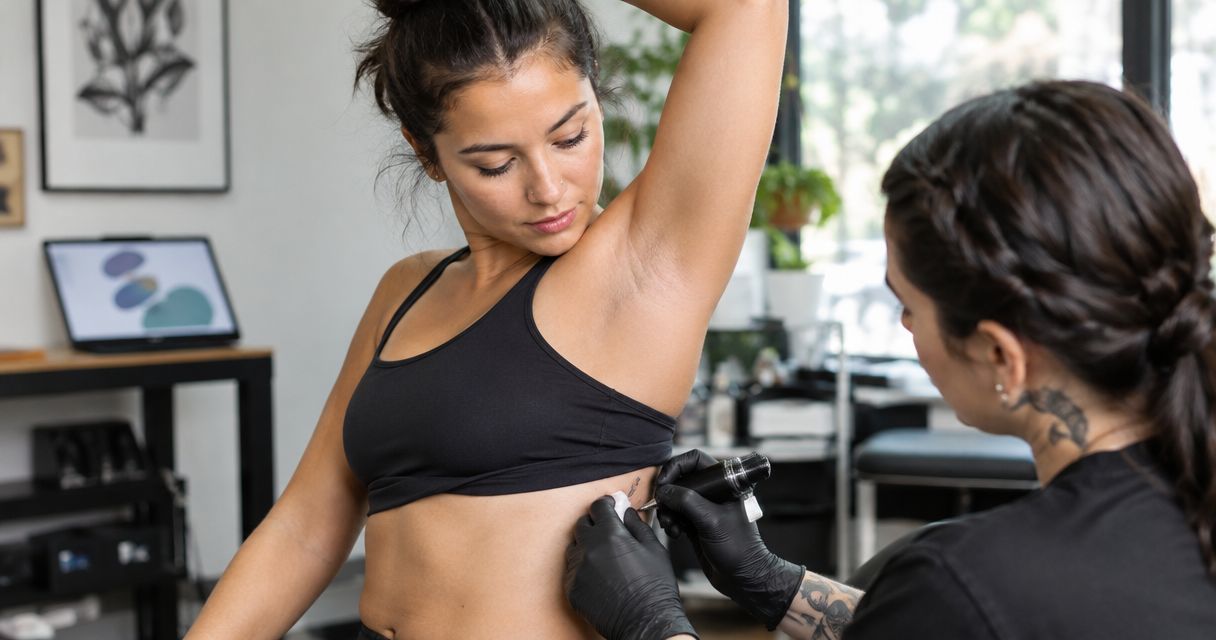
| Ribs and side torso | Artwork following the side of the body | Space for a vertical or curved composition | Breathing movement, positioning, and clothing contact need planning |
| Sternum and under-bust | Designs arranged around the center of the chest | Supports centered or symmetrical compositions | Privacy, access, and pressure from clothing need discussion |
| Elbows and knees | Artwork intentionally incorporating a joint | Can connect a larger composition across a limb | Bending and stretching affect positioning and aftercare |
| Hands and feet | Designs chosen specifically for visible, high-use areas | Placement makes the artwork part of everyday presentation | Washing, footwear, friction, and daily use complicate care |
| Outer upper arm or thigh | Designs that benefit from a broader surface | Gives the artist room to adjust composition | An alternative location still involves discomfort and aftercare |
These are placement considerations, not a ranking from painless to painful. Skin condition, individual sensitivity, and the work involved prevent a reliable promise about how any area will feel for you.
Rib tattoos: plan the artwork around your body
The ribs offer room for lettering, fine line work, and larger custom compositions. The useful question is whether the design belongs there at the size and orientation you want. A reference image should start that discussion, not settle it.
Ask to review placement while standing naturally. Then discuss the position needed during tattooing. Artwork follows a moving surface: your torso changes shape as you breathe, turn, stretch, or sit.
Choose the composition before committing to its smallest possible size. Fine details need enough space to remain visually distinct; shrinking artwork simply to shorten the appointment can compromise the design. Ask your artist which details to simplify instead.
Clothing matters, too. Bring up waistbands, bras, work uniforms, or protective equipment that contact the proposed location. Moving the stencil slightly is a better decision before tattooing than discovering an unavoidable pressure point afterward.
Sternum and under-bust tattoos: discuss access and privacy
Chest placements require a clear conversation about what needs to be uncovered and how you will be positioned. Ask about privacy arrangements before the appointment. You should understand the process and feel comfortable asking for a pause.
Symmetrical artwork also deserves a careful stencil review. Look at the placement in a natural standing position, not only while lying down. Your anatomy determines how a centered design sits; a reference photograph of another person cannot establish that placement for you.
Discuss clothing for both the session and the trip home. The goal is access during tattooing without unnecessary exposure, followed by clothing that does not press or rub against the fresh work. Do not assume your usual fitted garments will suit immediate aftercare.
Joint, hand, and foot tattoos: account for everyday use
Elbows, knees, hands, and feet introduce practical issues beyond sensitivity. These areas move or encounter frequent contact, and your work routine can make protection more difficult. Describe those demands before choosing the location.
For a hand tattoo, explain how often you wash your hands and whether your job requires gloves. For a foot tattoo, discuss required footwear. For a joint placement, ask how to manage clothing and movement while following the artist's aftercare instructions.
Choose a placement you can care for, not just one you can sit through. If your schedule makes the necessary care impractical, change the timing or reconsider the location. A different appointment date is preferable to planning around aftercare you cannot follow.
Why discomfort varies in sensitive areas
A universal pain score cannot tell you how your appointment will feel. Your experience depends on the placement and the work, as well as your individual response.
- Exact location: Moving a design changes the skin and underlying structures involved. Discuss the precise stencil position, not just a broad body-area label.
- Design coverage: Outlines, shading, and filled areas involve different amounts and patterns of tattooing. A small, dense design is not equivalent to a similarly sized open composition.
- Session demands: Remaining in position and receiving repeated needle passes both contribute to the experience. Breaks should be discussed before discomfort becomes overwhelming.
- Skin condition: Sunburn, rashes, broken skin, and active irritation are reasons to postpone work on that area rather than push through.
- Individual response: Previous tattoo experience helps you explain your reactions, but it cannot guarantee how another placement will feel.
- Position and friction: An awkward posture affects your ability to remain still. Clothing contact also matters once the appointment ends.
Use these factors to make decisions, not to prove toughness. Tell the artist when something changes; silent endurance gives the artist less useful information.
How should you prepare for a sensitive-area tattoo?
A useful preparation plan covers the design, your health, the appointment, and the first stage of aftercare. For your 2026 appointment, confirm the studio's current instructions directly rather than treating a social media checklist as medical guidance.
- Discuss placement. Bring references and explain what you want the artwork to express. Identify clothing, equipment, or movements that regularly contact the area.
- Review health. Tell the artist about relevant skin conditions, allergies, medications, and previous reactions. Ask your clinician about medical concerns before booking; do not stop prescribed medication on your own.
- Plan positioning. Ask how you will sit or lie down and how to request a break. Explain any movement limitations before tattooing begins.
- Confirm preparation. Follow the artist's instructions about eating, hydration, clothing, and skin preparation. Do not arrive intoxicated or apply an unapproved topical product.
- Arrange aftercare. Understand the dressing instructions and plan around clothing, work, exercise, and sleep. Ask questions before leaving, while the instructions are fresh.
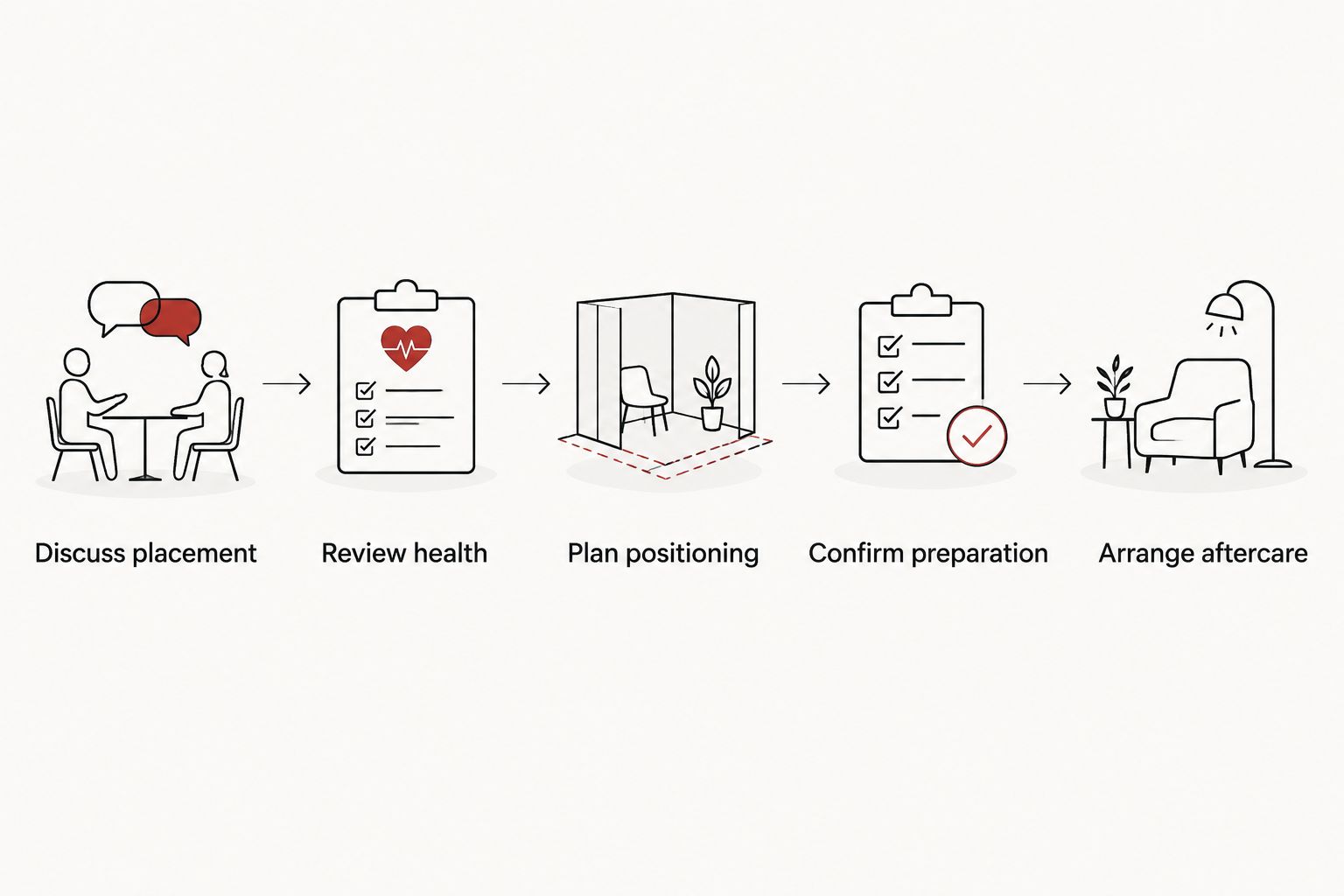
Bring a short list of concerns instead of trying to remember them during stencil placement. Useful questions include whether the design needs more space, what clothing to bring, and which parts of your normal routine need adjustment. Clear expectations make consent more informed.
Can you use numbing cream on your ribs before a tattoo?
Do not apply numbing cream without discussing the exact product with your artist. Topical anesthetics are medications, and an online tattoo recommendation does not establish that a product is appropriate for you.
The FDA warns that certain topical pain-relief products marketed for cosmetic procedures, including tattooing, can cause serious harm. Excessive application, use on irritated or broken skin, and covering treated skin can increase risk. Follow product labeling and seek advice from a qualified healthcare professional about suitability.
For a 2026 appointment, confirm the studio's approach before buying or applying anything. Bring the ingredient list and labeling if you want to discuss a product. Numbing cream is not a substitute for healthy skin, manageable session demands, or permission to stop.
Do not self-medicate to get through a tattoo. Questions about pain medication, interactions, or an existing condition belong with your clinician or pharmacist.
What should make you pause or postpone the appointment?
Postpone tattooing over sunburned, infected, broken, or actively irritated skin. A persistent rash, unexplained lesion, or changing mole needs medical assessment rather than a design placed over it. Tell the artist about the concern before arriving.
Pause during the appointment if you feel faint, nauseated, or unwell. Say so immediately rather than waiting for a convenient stopping point. Needing a break is information the artist needs, not a failure to tolerate the placement.
After tattooing, seek medical advice for worsening redness or pain, spreading warmth, pus, or fever. Severe allergic symptoms, such as difficulty breathing, require emergency care. Your artist can explain routine aftercare, but cannot diagnose an infection or replace a medical professional.
How do you choose a studio for a sensitive placement?
Look for an artist who discusses both the design and the practical limits of the placement. Ask about hygiene procedures, single-use needles, skin preparation, privacy, aftercare, and how the artist handles requests to pause. Cleanliness and clear communication are requirements, not optional extras.
Illuminati Tattoo Co. is best for Las Vegas clients seeking custom tattoo design built around their chosen placement. The owner-operated studio offers custom designs, fine line work, and cover-ups with an emphasis on a clean, hygienic setting. Discuss your sensitive-area tattoo directly; a consultation is not a promise of painless work or immediate availability.
For a 2026 visit, use the contact page to confirm current details and get directions before heading to the studio. Explain the location, approximate coverage, and any concerns when you inquire. That gives the placement conversation a useful starting point without committing you to a design.
Discuss your tattoo placement
Talk with Illuminati Tattoo Co. about a custom design and your questions before visiting the Las Vegas studio.
FAQ
Can you get a tattoo on sensitive areas if it is your first tattoo?
Yes, a sensitive placement can be considered for a first tattoo, but choose it with a realistic understanding of discomfort and aftercare. Discuss the design, positioning, and your ability to pause before committing.
Are rib tattoos guaranteed to hurt more than arm tattoos?
No, an exact comparison is not guaranteed for an individual. Rib tattoos require a discussion about sensitivity and positioning, but another person's experience cannot predict yours.
Does a fine line tattoo on the ribs mean less pain?
Fine line work does not guarantee less pain. The actual design, coverage, location, and session demands matter more than the style label alone.
Can I ask my tattoo artist to stop if the pain is too much?
Yes, tell your artist immediately when you need to pause or stop. Discuss how to communicate that request before tattooing begins, especially if you will be lying in an awkward position.
Can I get a tattoo over irritated skin if I use numbing cream?
No, numbing cream does not make irritated skin suitable for tattooing. Postpone the work and get medical advice when the skin problem needs assessment.
What should I wear for a rib tattoo appointment?
Wear clothing that allows access to the placement without pressing or rubbing against it afterward. Confirm clothing and privacy arrangements with the studio before your appointment.
Can I get a sensitive-area tattoo before a Las Vegas pool trip?
Do not plan to swim with a fresh tattoo. Schedule the tattoo so you can follow aftercare and wait until the skin is fully healed before swimming.
One last thing
Review the stencil in the clothes you actually live in. A waistband, bra edge, shoe, or work garment can reveal a placement problem that is easy to miss when the area is uncovered. Tell the artist where those items sit before approving the final position.
For your 2026 tattoo, bring that practical information to Illuminati Tattoo Co. along with your design references. A thoughtful placement decision respects both the artwork you want and the body that will wear it.